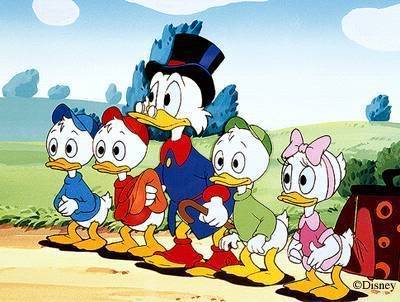
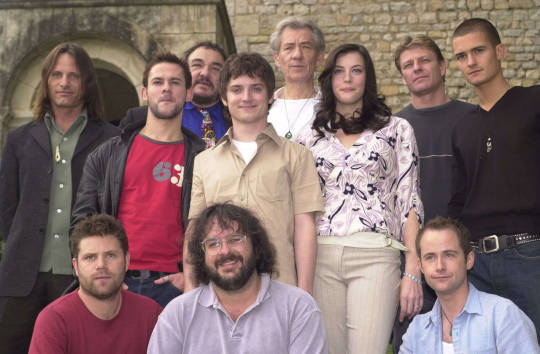
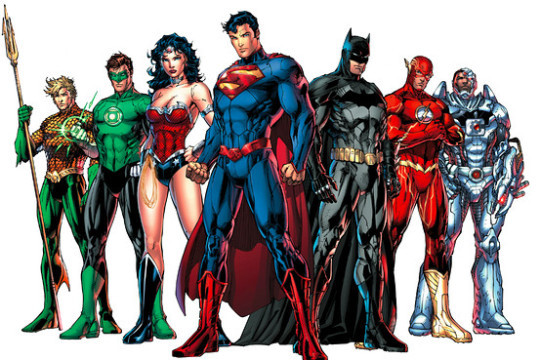
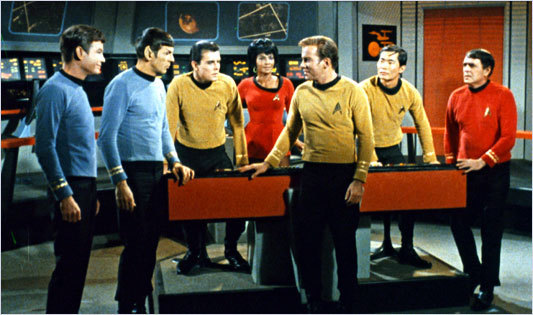
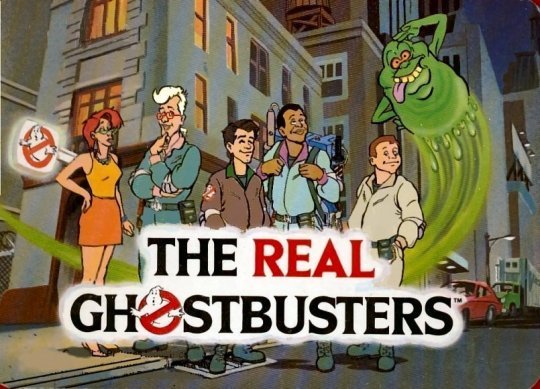
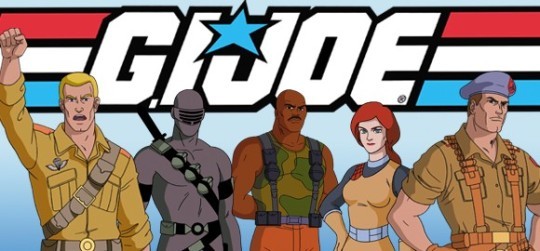
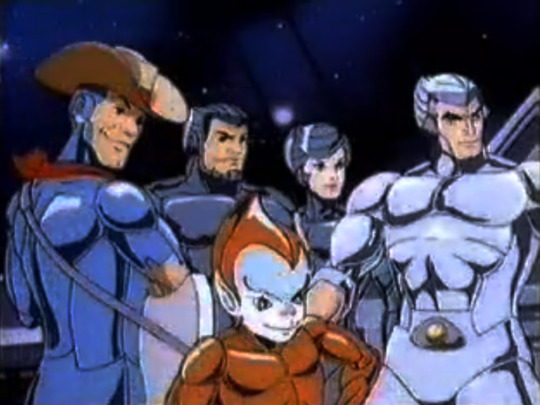
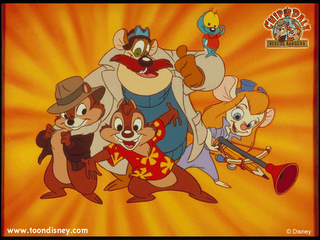
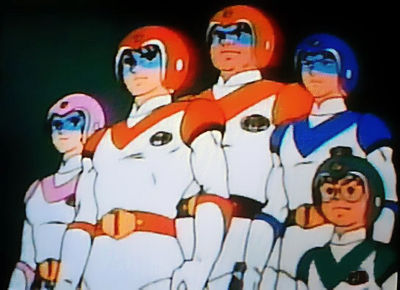
Ppl be like “ I want an actual male gem, not just Steven.”
Jeez, it’s like having only one character
to represent your whole gender
in a group composed all of another gender
is a bit upsetting huh?
I wonder
what
that’s like
no really
can you
even imagine
what this lack of representation
MUST
FEEL
LIKE
This
post
isn’t
long
enough
none of the listed shows are named after the one female character, either
it’s actually physically impossible for me to not reblog this post.
I want to say I’ve reblogged this before, but I’m reblogging again for the brilliant addition of, “None of the listed shows are named after the one female character, either” because FUCKING THANK YOU.
mmmmmhm.
Every time I reblog this, there are new shows on the list.
Wow
it’s almost
as though
this happens
almost constantly
But normally you don’t notice, because it’s not about you.
If I stop rebloging this, assume that I am dead
Which is another reason why Scooby-Doo is better than the shows
which is another
reason why scooby-doo is
better than the shows
^Haiku^bot^9. I detect haikus with 5-7-5 format. Sometimes I make mistakes.
At the end of the human world, you will be baked. And then there will be cake. | PayPal | Patreon
It has a name. It’s called
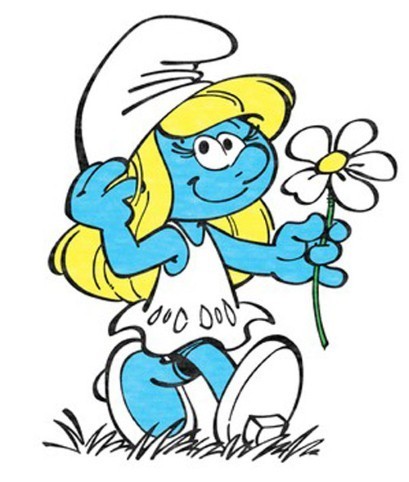
The Smurfette Principle
Pls tell more????
The term ‘The Smurfette Principle’ was coined by Katha Pollitt in 1991 in a New YorkTimes article. Named after Smurfette, the only female among the Smurfs.
Here’s an important excerpt from her article
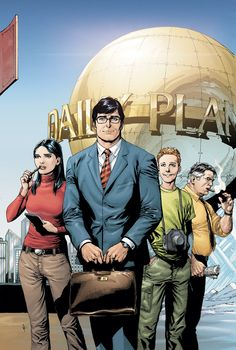
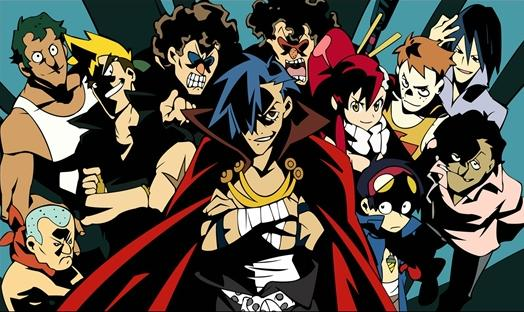
“Contemporary shows are either essentially all-male, like “Garfield”, or are organized on what I call the Smurfette principle: a group of male buddies will be accented by a lone female, stereotypically defined… The message is clear. Boys are the norm, girls the variation; boys are central, girls peripheral; boys are individuals, girls types. Boys define the group, its story and its code of values. Girls exist only in relation to boys.“
Quote from the web animation series ‘Brave Warriors’ exactly explains what Katha meant
Chris:I get it! So [points to Danny] you’re the cool one,[points to Wallow] you’re the funny one, [points to Beth]and you’re the…
Beth:Girl.
In the article, Katha talks about the poor representation of females in the preschool culture. Girls are never given the lead role and and are always stereotypical characters with little or no importance. They have very little in the way of individuality or personality. The storyline of such shows revolves around the males while the female are treated as the adjuncts to the male characters. She explains how this is not only bad for the girls but also the boys who grow up learning that women aren’t important.
An excerpt from the site tvtropes.org on Kathe’s article
‘The article focused on the trope as it applies to young children, and discussed the negative message: males are individuals who have adventures, while females are a type of deviation who exist only in relation to males.’ [Taken from here]
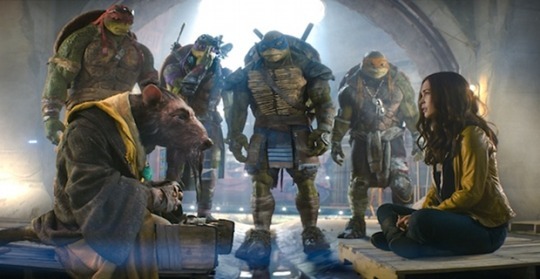
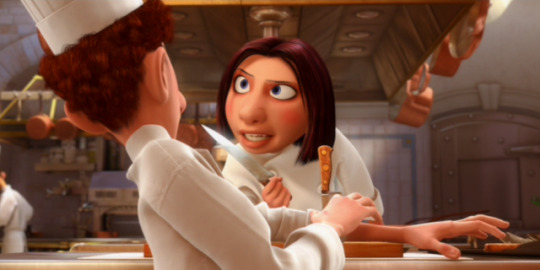
The most compelling thing about this principle is that it is in fact true. Mainstream cartoons which are incredibly popular such as Spongebob Squarepants , Pokémon, Winnie the Pooh are only some examples. While on the whole, these shows do have more than one female character, among the main characters (aka which appear frequently and are portrayed as good or heroes) there is always only one female [Sandy, Misty and Kanga]
Subtropes of this only one female trope include Never a Self-Made Woman (women cannot achieve anything without a male mentor or counterpart), Smurfette Breakout (the Smurfette character becomes popular on her own), and Territorial Smurfette (another female is added to the show and the original Smurfette reacts negatively). [Taken from here]
Even after the two decades of Kathe’s article, it still rings true and is very much relevant. Recent examples include :
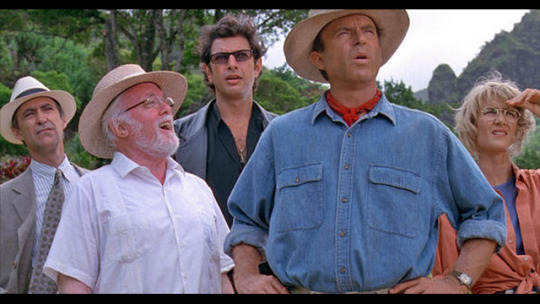
Jumanji (in which four teens are sucked into a fantasy game world – two girls and two boys. But when they get there one of the girls finds herself in the body of Jack Black. That’s a funny gag, but it leaves Karen Gillan as the sole female lead.)
“My sister and I grew up in a poor mining system. The First Order stripped our ore to finance their military, then shelled us to test their weapons. They took everything we had. And who do you think these people are? There’s only one business in the galaxy that will get you this rich.”
“The people of one village, Sebris Gamma, refused to go along with the new orders. The Gammans told the First Order that they’d been an independent mining collective since the Republic days and meant to stay that way. We cheered them on – until the First Order bombers came to Sebris Gamma. They dropped ground-penetrating bombs loaded with incendiaries that burned the Gammans alive.
A week after Sebris Gamma, our parents put us on a supply ship to Botajef.”
Napalm – Quan Barry // Star Wars: The Last Jedi (2017) // The Last Jedi: Bomber Command – Jason Fry
I don’t know if I’ve said this before about SW and its supposed Vietnam War parallel (Endor) and this far stronger one, but… Ewoks seen as the Viet Cong is obviously super racist since they’re a basket full of colonialist “jungle people” tropes (eating human/white flesh, naively worshipping technology as a god) but also the idea of their guerilla warfare completely loses the real-world factor of desperation. The Ewoks are not shown or mentioned to have been heavily victimized. No big atrocities. In fact they always seem to have the upper hand. Their rams and log traps are treated as winning the military rock-paper-scissors of forest combat.
But that’s not really why guerilla fighters win, it’s not sheer tactical advantage, it’s not just “knowing your home turf”. It’s because if your home is being invaded and your family being slaughtered, you have every reason to put your entire heart and mind into the fight, because winning is the only chance you have of a future. But the soldiers of the colonial invading army have the luxury of a family and a safe war-free home to return to that they’ll lose if they die.
The story of the Tico sisters finally gets that right. They’re ordinary, capable but not with any unbelievable skills. But they’re fighting with nothing behind them and mixed measures of death and hope ahead of them. That’s what makes them daring and strong. Which is why Rose has an arc where, after losing Paige, she has to renew her belief in what she’s really fighting *for*.
One of the things that has frustrated me is this insistence that Rose is a preachy character or that her speech in Canto Bight was too neatly clean and moralistic in a way that preaches at the viewers, which somehow makes her a badly written character. I’ve written how this notion of bad writing has been shaped by a very specific geopolitical moment in the cold war where removing politics from literature as much as possible was desirable, over having polemic or political moments that weren’t easy to obfuscate under the veneer of personal and apolitical stories about personal tragedies. Viet Thanh Nguyen, a vietnamese american writer also has a really good essay on the MFA/writing workshop and how it confines the kind of writing a third worlder or a non white person may do before they’re considered “bad writers”. A pertinent quote:
As an institution, the workshop reproduces its ideology, which pretends that “Show, don’t tell” is universal when it is, in fact, the expression of a particular population, the white majority, typically at least middle-class and often, but not exclusively, male. The identity behind the workshop’s origins is invisible. Like all privileges, this identity is unmarked until it is thrown into relief against that which is marked, visible and outspoken, which is to say me and others like me.
We, the barbarians at the gate, the descendants of Caliban, the ones who have no choice but to speak in the language we have — we come bearing the experiences and ideas the workshop suppresses. We come from the Communist countries America bombed during the Cold War, or where it sponsored counter-Communist efforts. We come from the lands America occupied, invaded or colonized. We come as refugees and immigrants, documented and undocumented. We come from the ghettos, barrios, reservations and borders of America where there are no workshops. We come from the bedrooms and the kitchens of the American home, where we were supposed to stay, and stay silent. We come speaking languages other than English. We come from the margins, where English is broken. We come with financial aid and loans and families that do not understand what “creative writing” is. We come from communities we do not wish to renounce in the name of our individualism. We come wanting to do more than just sell our stories to white audiences. And we come with the desire not just to show, but to tell.
What I love about the scene with Rose on Canto Bight is that it smashes through the show/tell binary and tells us something entirely meta and yet also personal. For one, there are some tragedies and violences that are too personal, vast and devastating to be narrated in any way but in the bald hard form of telling. You don’t show it, you don’t eschew the straightforward fact and opt for instead, a zig-zagging personalized narrative that zeroes in on a tiny sliver of life in relation to this devastation. Sometimes you want people to grasp the scope of the devastation, the violence and the injury committed and for that, telling is more striking. We see the First Order blow up five planets on screen, but people refuse to believe the First Order is unequivocally evil or else buy into the seductive propaganda of their only interested being order, that this act of violence is an aberration, yes, but an understandable one.
Rose puts a fist through this. She tells us the story of her planet’s devastation and paints the violence for us: the seizure of wealth, the theft, the violent colonialism, the shelling of their planet to test the weapons. The violence is stark and cannot be concealed or veiled. The structures that enable this violence are similarly brutally exposed because sometimes you cannot show how wealth enables violence: you have to narrate it, to smash past the viewer’s hegemonic structured worldview which yes, associates wealth with seductive appeal and detaches it from the violence it necessitates for it’s existence.
So. She tells us. And then the camera, the sound and the director shows us. If you rewatch the scene, there is a place where her voice wavers and then becomes harsher when she says “and who do you think these people are” – this is the showing aspect of the telling, because what it shows us is that this tragedy which she narrates so baldly is one that has caused her immense grief and pain: a grief and pain she carries bottled up inside her and continues to bottle up because to let go will be to open a floodgate that cannot be stopped. It shows us her rage. It shows us her unhappiness. It shows us how much depth lies beneath the starry eyed girl, the warm and enthusiastic young woman, beneath the mourning sister. It smashes the show/tell binary because it shows you that sometimes the only way to narrate something that runs so deep and wounds so deep is by telling it, stripped of as much emotion as you can.
It’s a meta-reflection (though I think unintentionally so) on how for some peoples, there can be no way of narrating the social and political wounds except in bald narratives that violently strip away the curtains and veils that obscure the machinery that caused them violence. It isn’t preachy: it’s the only way the story can be told without uncontrollable emotion seeping through. The same uncontrollable emotion that will get one labelled hysterical or irrational, or get one disregarded as another emotional crank. Or worse, for preaching but not with the appropriate level of detachment required for public discourse to reassure the public that you are an objective speaker, that you do not have an agenda.
Incidentally, all of these are things that Rose, as a character, has been accused of. Incidentally, this is what all writers of third world countries, who touch on politics in any form, are accused of. Incidentally, this is a form of imperialism that Viet Thanh Nguyen discusses in that essay and in two separateinterviews that I recommend reading/listening to because both deal with the intersection of media and memory and how memory can be imperialized and colonized and what it means to move the American from subject to object (and whether the American has ever been the object of the third world gaze in these purportedly anti-war stories: a question relevant to Star Wars which has appropriated this narrative and made it wholely white or else, stripped the in-universe character stand-ins of voice, interiority and humanity).
In short, this notion that Rose is too preachy and too political a character – a notion repeated across the board by alt righters, conservatives and liberals (is it a coincidence that socialists, communists and confirmed leftists all have a fondness for her character? For her rage?) – is one that bears deep scrutiny on our part, especially when we reframe it as bad writing: those statements are not apolitical and it does well to consider the imperialist history lurking behind those sentiments and what it means when we say it’s preachy, when a non white woman from a planet that has experiences similar to that of the third world turns her gaze on wealth that is dressed in the garb of the first, on a military that speaks the language of the first in it’s accents and wears it’s uniforms, to tell the story of the violence enacted on her and her people.
There has been a lot of confusion and misleading information about Net Neutrality, leading to me getting tons of mature, often uneducated comments on my post such as, “Pussy liberals, nothing changed!” or “Its leftist propaganda! We need less government oversight on the internet!” and my personal favorite type of comment, “Net Neutrality ended in December!”
I also admit to following some of the misleading posts, for as much as I try to research before spreading said “information” that came my way. But I will cover all of this right now to clear the fog.
1. The end date never changed, it was miscommunication. A lot of people were confused because the end date for Net Neutrality kept changing, but it didn’t ever change. Back in April or May, posts were made claiming it was the end for NN, but that wasn’t correct. It was the deadline for Congress to enact the Congressional Review Act (or CRA) to review the Federal Communications Commission’s (FCC) December 2017 decision to roll back Title II Net Neutrality Protections, which passed the Senate, and is still sitting in the House Of Representatives (more on that in a moment). Title II Net Neutrality Protections were officially rolled back and erased form the books June 11th, 2018.
2. It wasn’t ever going to change overnight. Internet Service Providers (ISP’s) know that we have our finger on the pulse of everything, and wouldn’t be stupid enough to censor, slow and overcharge on day one. But over time, it will happen slowly and randomly. Less attention is paid to something when its no longer fresh news. Its done in a way to make it seem as if its not happening at all.
3. Rescuing Net Neutrality. The CRA didn’t go through the House in time for Monday’s official repeal, but it still is sitting in the House and can be voted on through December 31st, 2018. I also believe this is called a Resolution of Disapproval, but I definitely recommend researching all of the official titles for these acts instead of just taking my word on that portion. Anyhoo, if it passes in the House, it will then go to Trump’s desk to either be passed or be veto’d.
Now, you’ve been told numerous times to call your representatives, and that is still what you should do, and always should do, when you want to be heard.
Call the phone number listed on the site for your House Representative
Tell them you support net neutrality, why you support it, and tell them to use the Congressional Review Act to pass a “resolution of disapproval” reversing the FCC’s vote. NOTE: There are scripts, but its also important to edit this script in a way to not just sound like every other scripted call. Make it individual!
more:
go tothis websiteto see whichspecific repsneed to bepressured into supporting net neutrality
this video explains how net neutrality affects you
And finally, remember to register to vote (look up rules for your state as it differs for dates and deadlines to register before an election). There will be a Primary, and then the General Election in November. Get the word out, remind others to register, do thorough research on the candidates of your choosing, and VOTE. Its easy as pie!
PS. People think I’m a dude named Jack, and its hilarious; I am a girl and my blog is a pun based on this guy here: Jack White.
Not gonna lie I am mad that my previous post has 4,000+ notes, but this one, that I worked hard to make sure all of the information was accurate, is a fucking ghost town.
The Supreme Court just issues a ruling allowing Ohio and other states to purge voters from their election registration rolls due to their failure to cast a ballot in previous elections.
This is a major victory for the Trump administration and the GOP, and a direct consequence of the Supreme Court being stacked with more conservative judges (the votes were 5-4). This is also a huge part of what Trump/the GOP were counting on to save them in the 2018 midterm elections, which is where Democrats have been hoping to take back a majority in the House, giving them more power to combat Trump’s abuses of power and Republican legislation.
What this means is YOU CAN NOT ASSUME THAT YOU ARE REGISTERED for the 2018 elections, just because you SHOULD be. Thanks to this decision, red states can purge voters’ registration based on their not having cast a ballot in even just previous federal elections, NOT just the national Presidential elections. Effectively, if you haven’t voted in previous senate races or for congressional representatives in the past few years, that’s all they need now to say you’re no longer registered and need to register again.
They’re deliberately counting on people assuming they’re still registered and so not checking until after registration deadlines have passed, or showing up to vote this November and only then finding out they’re no longer registered, when its too late to do a damn thing about it.
And this is absolutely targeted at marginalized communities, low income voters, disabled voters, and basically anyone who simply can’t always AFFORD to keep on top of every federal election and show up to vote in every senate race, etc. Which not so coincidentally happen to be all the communities and voters who have the most to gain from Democratic victories in the 2018 midterms and are the least likely to cast votes for GOP candidates at this point.
This was absolutely a calculated effort aimed specifically at keeping the GOP in power with a majority control of the government come November, and unfortunately, it has a DAMN good chance of accomplishing just that if it goes by unacknowledged. I’m not looking to alarm or panic anyone, simply to say:
If you are a registered voter in a red state at this point, please please please do not take your registered status as assumed. Check on your registration status, look up all relevant voter registration deadlines for your state and district, CIRCLE THAT SHIT ON YOUR CALENDAR, and check your registration status AGAIN right before those deadlines pass, so you can be sure of it before its too late to do anything about it til the next voting cycle.
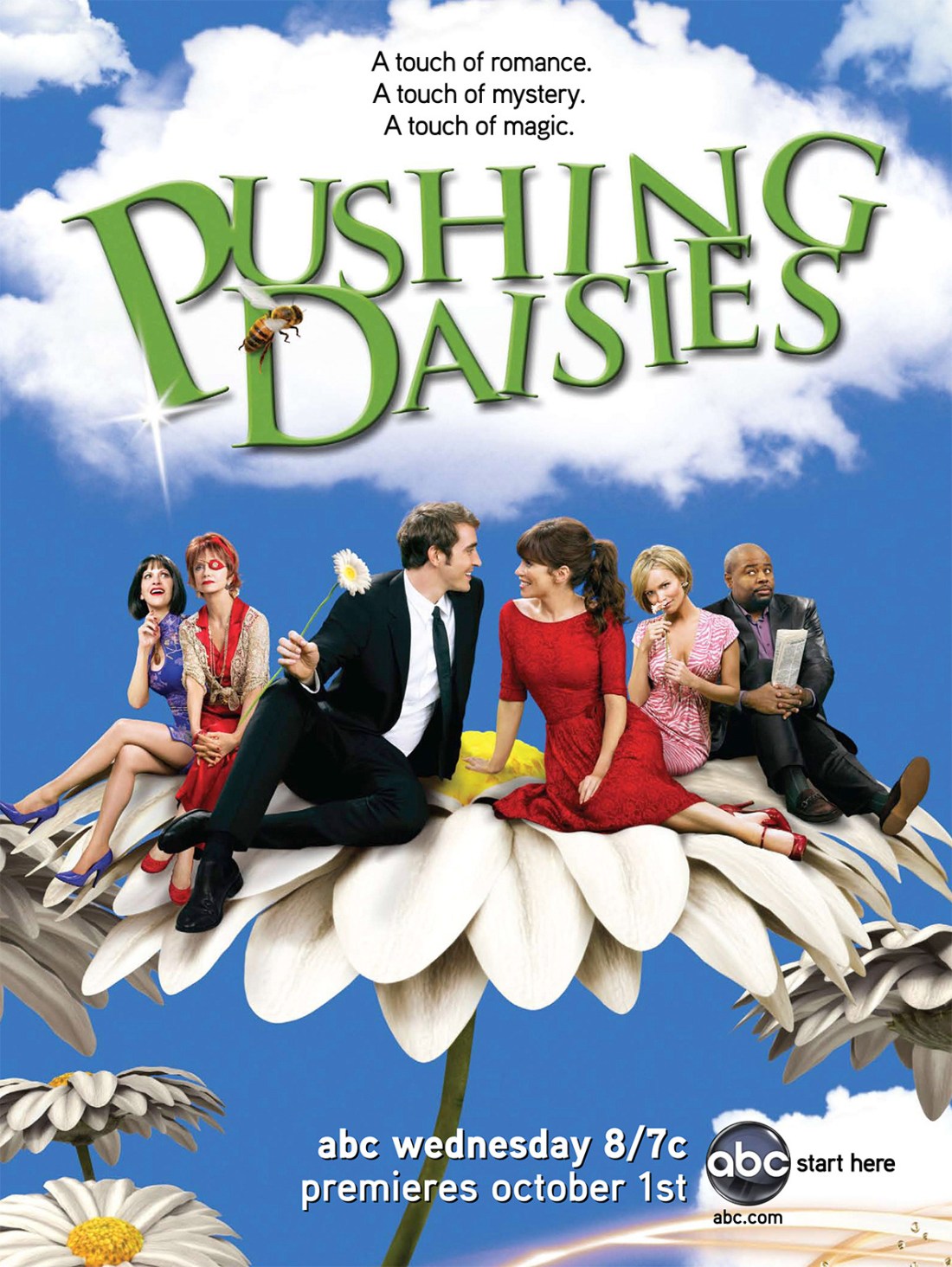
Here is a Pushing Daisies episode master post! I was going to go do the master list for the roleplayers but only one person reblogged it so I went “fuck it” and decided not to bother and make this instead when I found the episodes in the Drive. I also added links to the scripts because why not. They did a lot in helping my writing for Olive.


















 Tumblr Exodus